
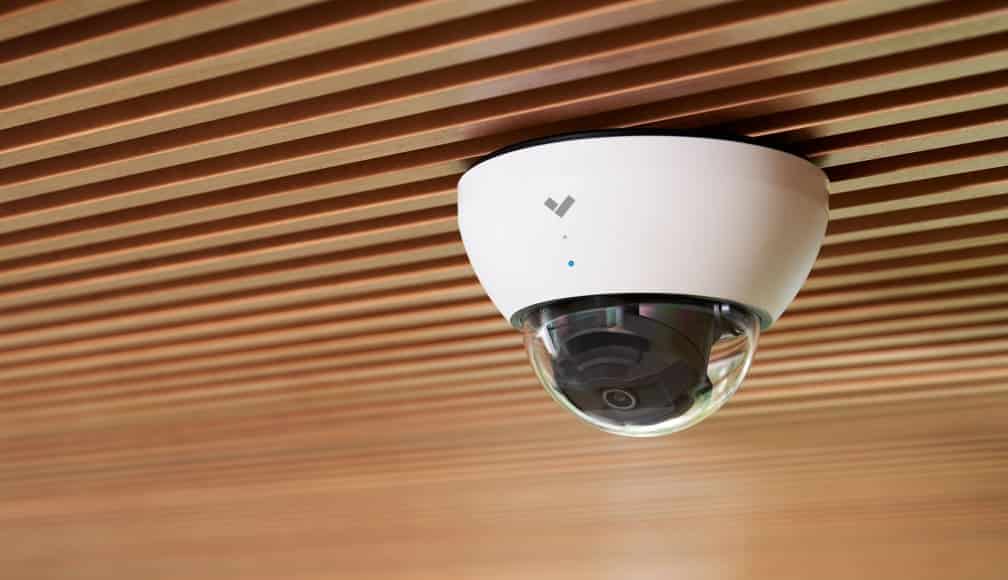
The world of cloud-based CCTV cameras is evolving rapidly, with significant advancements in technology and increasing demand for scalable, flexible, and secure surveillance solutions. In this blog, we’ll explore the latest trends in cloud-based CCTV cameras and compare Verkada, a leading player in this space, with some of its closest competitors. The Latest in Cloud-Based CCTV Cameras: A Comparative Look at Verkada and its Competitors will highlight key features and differences in this dynamic field.
Latest Trends in Cloud-Based CCTV Cameras
- AI-Powered Video Analytics: One of the most exciting trends is the integration of artificial intelligence (AI) into video analytics. AI enables cameras to analyze footage in real-time, identifying suspicious activities, objects, or behaviors. This technology enhances surveillance efficiency and reduces human error [1].
- Cloud-Based Storage Solutions: Cloud storage is becoming the norm for CCTV systems. It offers several benefits, including easier access to footage, better data protection, and scalability. Users can view live or recorded footage from anywhere with an internet connection [1].
- High-Definition (HD) and 4K Cameras: The demand for high-definition and 4K cameras is on the rise. These cameras provide clearer and more detailed video footage, making it easier to identify faces, objects, and activities [1].
- Thermal Imaging Cameras: Thermal imaging cameras are gaining popularity, especially for nighttime or low-light environments. They detect heat signatures, making them ideal for monitoring areas with limited visibility [1].
- Wireless and Solar-Powered Cameras: These cameras are becoming more common due to their convenience and sustainability. Wireless cameras are easy to install, and solar-powered options offer an eco-friendly alternative [1].
- Facial Recognition Technology: Facial recognition is another cutting-edge trend. It allows cameras to identify individuals based on their facial features, improving security in sensitive areas [1].
Verkada: A Leader in Cloud-Based CCTV
Verkada is renowned for its innovative approach to cloud-based security solutions. The company offers a range of products that integrate seamlessly with existing security systems, providing comprehensive surveillance coverage. Verkada’s cameras are equipped with advanced features such as AI-powered video analytics, facial recognition, and real-time alerts.
Key Features of Verkada:
- AI-Powered Video Analytics: Verkada’s cameras use AI to analyze footage in real-time, identifying potential threats and alerting security personnel.
- Cloud-Based Storage: Verkada offers secure cloud storage, allowing users to access footage from anywhere.
- High-Definition Cameras: Verkada’s cameras provide clear and detailed video footage, making it easier to monitor and identify activities.
- Seamless Integration: Verkada’s platform integrates with other security tools, making it simple to manage and monitor security operations.
Comparing Verkada with Its Competitors
Verkada
Verkada is known for its cloud-based, all-in-one security solutions. It offers a seamless integration of hardware and software, making it a popular choice for businesses looking for a straightforward, scalable solution.
Key Features:
- Cloud Storage: Verkada’s cameras store footage in the cloud, eliminating the need for on-premises servers.
- Ease of Use: The system is designed for easy installation and management, with a user-friendly interface.
- Advanced Analytics: Verkada provides real-time analytics, including motion detection and people counting.
- Security: End-to-end encryption ensures data security, and regular updates keep the system secure from vulnerabilities.
Pros:
- Simplified installation and maintenance.
- Scalable solution suitable for various business sizes.
- Robust security features.
Cons:
- Higher initial cost compared to some competitors.
- Limited customization options for advanced users.
OpenEye
Overview: OpenEye offers a hybrid approach, combining on-premises and cloud solutions. This flexibility makes it a versatile option for businesses with varying needs.
Key Features:
- Hybrid Storage: OpenEye supports both local and cloud storage, providing redundancy and flexibility.
- Integration: The system integrates well with existing security infrastructure, including third-party cameras.
- User Management: Advanced user management features allow for detailed access control and monitoring.
- Analytics: OpenEye offers comprehensive analytics, including facial recognition and license plate recognition.
Pros:
- Flexible storage options.
- Strong integration capabilities.
- Advanced user management and analytics.
Cons:
- More complex setup compared to fully cloud-based solutions.
- Potentially higher ongoing costs due to hybrid storage.
Avigilon
Overview: Avigilon, a Motorola Solutions company, is renowned for its high-quality video analytics and AI-driven security solutions. It offers both on-premises and cloud options, catering to a wide range of security needs.
Key Features:
- AI and Analytics: Avigilon’s AI-powered analytics provide detailed insights, including unusual motion detection and object classification.
- High-Resolution Cameras: The company offers cameras with resolutions up to 30 MP, ensuring clear and detailed footage.
- Scalability: Avigilon’s solutions are highly scalable, suitable for small businesses to large enterprises.
- Integration: The system integrates seamlessly with other security and IT systems.
Pros:
- Superior video quality and analytics.
- Highly scalable and customizable.
- Strong integration with existing systems.
Cons:
- Higher cost, especially for high-resolution cameras.
- More complex setup and management.
Iristy
Overview: Iristy is a newer player in the market, focusing on providing cost-effective cloud CCTV solutions. It aims to offer a balance between affordability and functionality.
Key Features:
- Cloud-Based: Iristy offers fully cloud-based storage and management, simplifying the infrastructure.
- User-Friendly Interface: The system is designed for ease of use, with a straightforward setup process.
- Basic Analytics: While not as advanced as some competitors, Iristy provides essential analytics features like motion detection.
- Affordability: Iristy is positioned as a budget-friendly option, making it accessible for small businesses.
Pros:
- Cost-effective solution.
- Easy to set up and use.
- Fully cloud-based, reducing the need for on-premises hardware.
Cons:
- Limited advanced analytics.
- Fewer customization options.
- Newer to the market, with a smaller user base.
Conclusion
Choosing the right cloud CCTV solution depends on your specific needs and budget. Verkada offers a robust, all-in-one solution with advanced analytics and strong security features, making it ideal for businesses looking for a scalable and easy-to-manage system. OpenEye provides flexibility with its hybrid storage options and strong integration capabilities, suitable for businesses with existing security infrastructure. Avigilon stands out with its high-resolution cameras and AI-driven analytics, perfect for those needing superior video quality and detailed insights. Finally, Iristy offers a cost-effective, fully cloud-based solution, ideal for small businesses or those on a tighter budget.
Each of these solutions has its strengths and potential drawbacks, so it’s essential to consider your specific requirements and resources when making a decision. Whether you prioritize advanced analytics, ease of use, or cost-effectiveness, there’s a cloud CCTV solution out there to meet your needs. Contact Teltrac today to talk to one of our experts about Cloud CCTV.
References